
Home / Zeta Power™ / Wet scrubbers
Zeta Power™ application · Wet scrubbers
Keep wet scrubber pressure drop low for longer after cleaning
Biofilm and sludge in the circulation tank clog filters, packing and nozzles, so pressure drop (DP) climbs and airflow falls. Zeta Power™ electrode rods are installed in the circulation tank, with no downtime, to help keep filters and packing cleaner between cleanings.
Suitable for
- PCB
- Semiconductors
- Assembly & test
- Display panels
- Chemicals
Zeta Power™ for Wet Scrubbers
kV
35 kV DC electrostatic rodsInstalled in the scrubber circulation tank
1–3
1–3 rods per scrubberDepending on the tank layout
0
No downtimeClean first, then install
The problem
Why does scrubber pressure drop keep rising?
1
Rising pressure drop, falling airflow
Biofilm, sludge and soft deposits build up on the packing and mist eliminator. Pressure drop (DP) rises and exhaust airflow falls, and in serious cases emissions can exceed regulatory limits.
2
Clogged filters and nozzles
Biological sludge blocks the circulation-tank filter, and nozzles clog easily. In PCB plants, where process water carries ink and other organics, filters may need cleaning once or twice a day.
3
Frequent cleaning
Each major cleaning means a shutdown and removing the packing, and a few months later the pressure drop starts climbing again.
4
Foam and sensor problems
The circulating water foams heavily, and pH sensors fail more often.
How it works
Rods in the circulation tank, no downtime
- Zeta Power™ electrode rods, housed in stainless-steel casings, are placed in the scrubber circulation tank and connected to a high-voltage power supply.
- A 35 kV DC electrostatic field between the rods and the grounded metal tank wall raises the surface charge (zeta potential) of colloidal particles in the water, so they repel each other and stay dispersed.
- Dispersed particles are less likely to stick and form sludge or biofilm, so filters, packing and nozzles stay cleaner between cleanings and pressure drop is slower to climb back.
- Zeta Power™ is not a biocide and does not change the water chemistry. It works alongside your existing water-management program.
We recommend a full cleaning before the rods are installed.
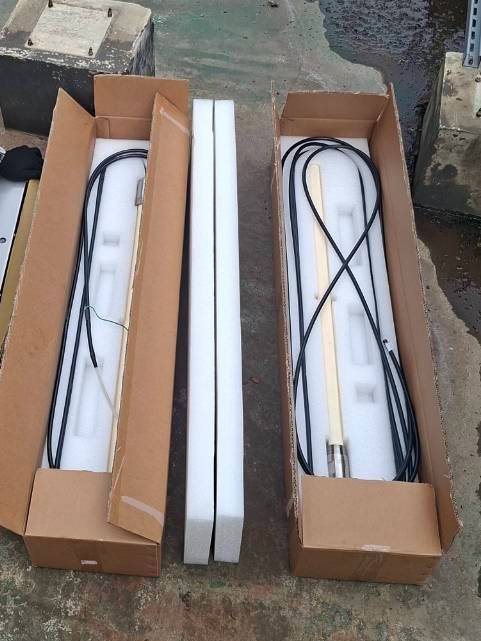
1Unpack and check the rods 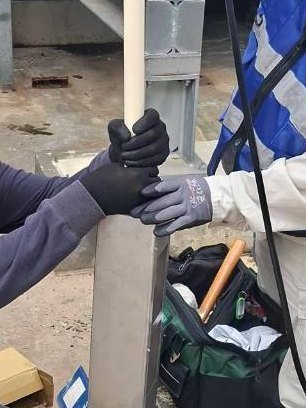
2Fit the protective casing 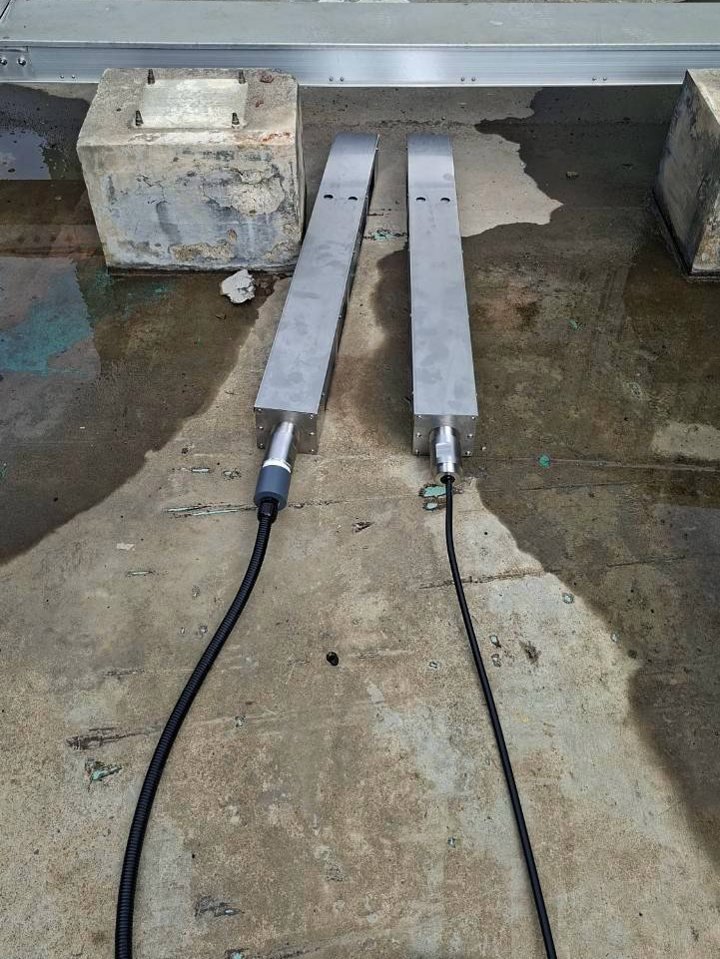
3Connect the high-voltage cables 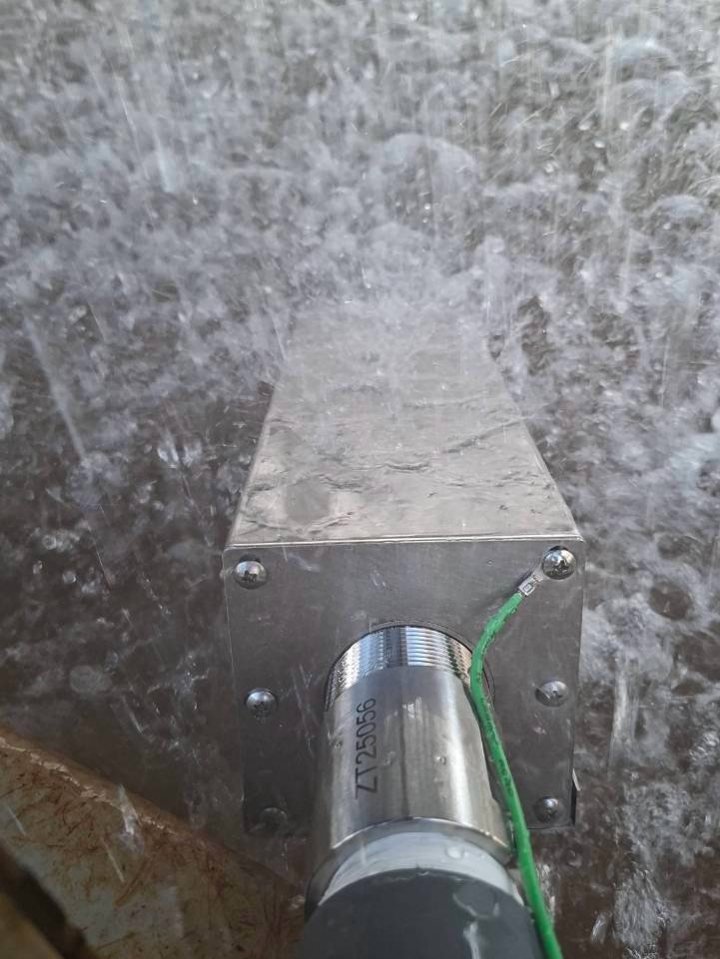
4Place in the tank 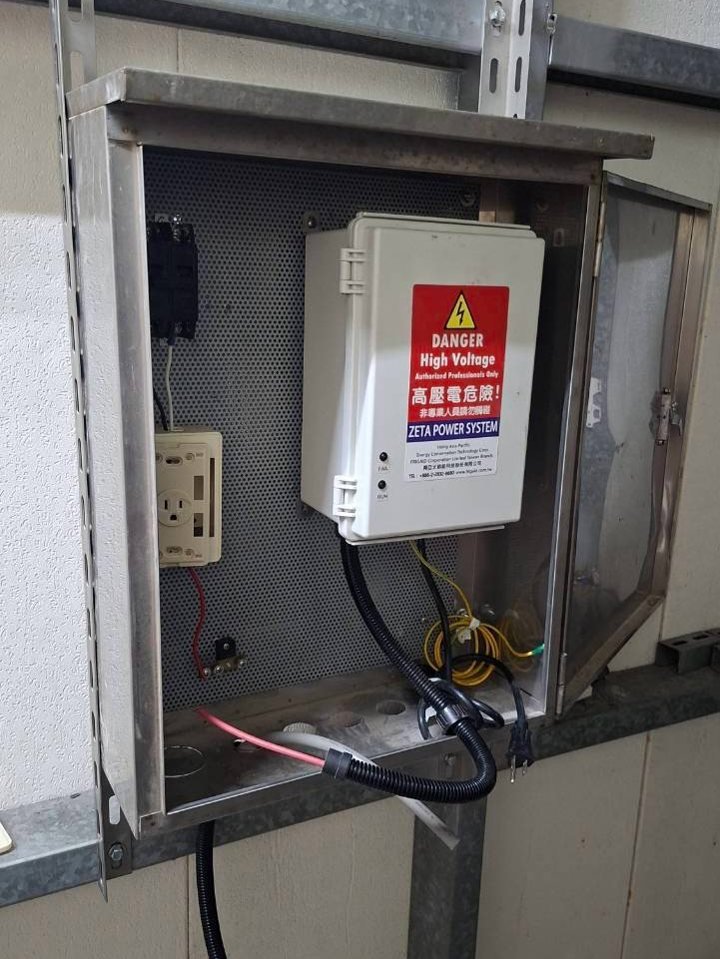
5Connect the power supply
Real Zeta Power™ installation photos: unpacking, fitting the casing, connecting cables, placing in the tank and connecting the power supply.
Case results
Site measurements from scrubbers in different industries
Wafer fab
TSMC
114days
Before a major cleaning (2020-06-15), pressure drop was 860–900 Pa. Three rods (one in each of three circulation tanks) were switched on on 2020-06-20, and after the cleaning on 2020-06-23 the DP was 400 Pa. It was still 400 Pa on day 54 and day 90, and 410 Pa on day 114 (2020-10-16).
The drop from 860 Pa to 400 Pa came from the major cleaning. The rods’ contribution was holding DP at about 400–410 Pa for 114 days after it. The customer said that previously, DP rose quickly about three months after each cleaning.
Assembly & test (T1 plant, Longtan, Taiwan)
Amkor
+2mmH₂O
Both scrubbers were fully cleaned on 2020-05-15 and started at 20 mmH₂O. After 47 days, A310 with Zeta Power™ was at 22 mmH₂O (+2), while A301 without it was at 45 mmH₂O (+25).
A side-by-side comparison in the same plant over the same period.
DRAM memory fab
Nanya Technology
−0.21inchH₂O
70 days after cleaning on 2019-10-21: #203, with Zeta Power™ and no chemicals, fell 0.21 inchH₂O; #204, with chemicals, rose 0.40; #202, with neither, rose 0.91. From 2019 to 2021, 18 rods were then installed across 6 scrubbers.
The units started at different pressure drops and are interconnected, so this is a site comparison, not a strict controlled trial.
Chemical plant
Chang Chun Plastics (CCP)
40mmAq
No chemicals were used at any point. Without the rod, DP rose from 33 to 71 mmAq in the 29 days after cleaning on 2020-07-01. With one rod installed, it was 40 mmAq 29 days after cleaning on 2020-08-05.
The two periods were different, and production and scrubbing-liquid volumes also differed.
PCB manufacturer
Mutual-Tek
4days
The circulation-tank filter used to need cleaning every 5 hours (2–3 times a day on average, until the filters wore through). One week after installation, the interval grew to 4 days. ATP test on 2020-04-24: RLU 4,113 in the tank with Zeta Power™, 94,017 in a tank without.
Short-term observation.
Installed, trial in progress
Unimicron
PCB manufacturer
Zeta Power™ is installed, and the scrubber and wastewater trials are in progress. The scrubber goal is to extend the time before pressure drop rises after cleaning. We are not publishing performance figures yet; we will update this page when results are confirmed.
These are site measurements from each plant, under different conditions. Results depend on each site, and we measure before and after installation.
Source: Hsing Asia Pacific (manufacturer), 2020 scrubber improvement report (site measurement records)
Real photos: without vs. after installation
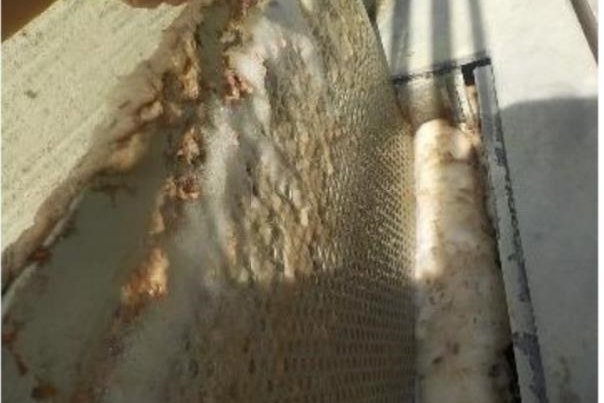
#201 without 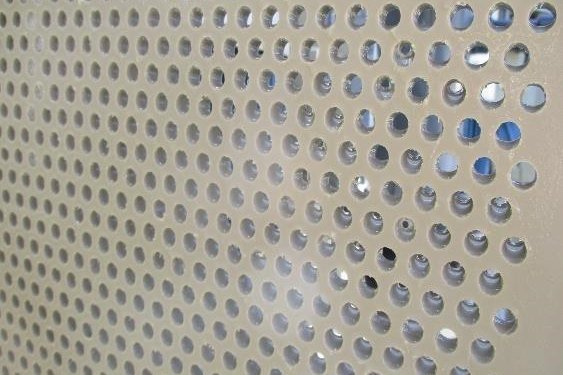
#203 after installation Nanya TechnologyCirculation-tank baffle after two months
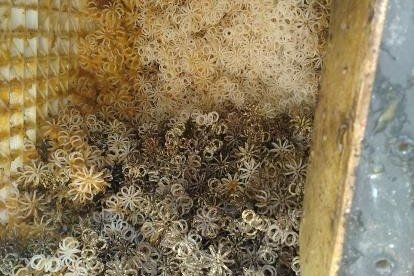
A301 without 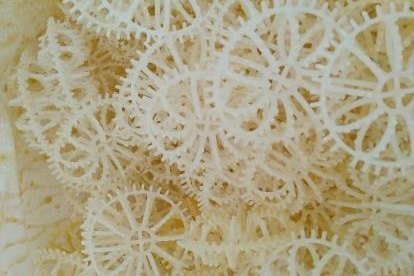
A310 after installation AmkorPacking rings at the May 2020 cleaning
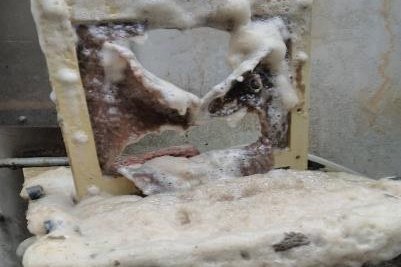
Without 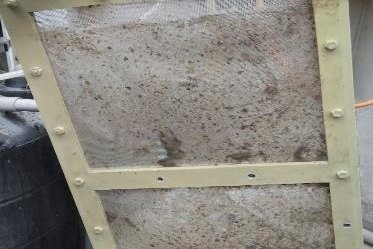
After installation Mutual-TekCirculation-tank filter
FAQ
Does installation need a shutdown?
No. The rods go straight into the circulation tank and start working once the power supply is connected. We recommend a full cleaning first, which also makes the before-and-after difference easier to see.
Can it be used with our existing chemicals?
Yes. Zeta Power™ is not a biocide and does not change the water chemistry, so it works alongside your existing water-management program.
How are results checked?
We recommend recording pressure drop (DP) and filter-cleaning frequency before and after installation. ATP testing (RLU) can also measure biological growth in the tank and on the filter.
Contact us
Book a complimentary scrubber site assessment
Contact our team in Thailand directly.
6/1 Moo 11, Malaiman Rd., Wang Nam Khiao, Kamphaeng Saen, Nakhon Pathom 73140, Thailand